November 20, 2026
Choosing a new cooling system is a significant financial commitment for any property owner. Modern inverter technology has gained widespread attention because it changes how residential and commercial equipment regulates indoor temperatures. Investing in this advanced equipment can lower utility expenses, extend operational lifespans, and provide steady indoor comfort throughout the warm months.
Evaluating Inverter Technology and Traditional Cooling Systems
Standard cooling units rely on single-stage or two-stage compressors that function on an all-or-nothing basis. When the thermostat detects that an indoor space is too warm, the compressor turns on at 100% capacity until the room reaches the selected temperature setting. Once that benchmark is achieved, the motor shuts down completely until the next cycle begins. This constant stop-and-start cycle consumes considerable electrical power, places mechanical strain on moving parts, and causes noticeable temperature swings throughout the building.
Inverter cooling units use a variable-speed compressor that adjusts its motor speed dynamically rather than cycling on and off. Instead of shutting off, the motor slows down once the desired temperature is established, running continuously at a lower power setting to maintain stable climate control. This continuous operation eliminates the frequent electrical spikes created by motor restarts. When homeowners want to upgrade from traditional units to modern variable-speed equipment, consulting professional AC repair contractors helps determine whether existing ductwork and electrical infrastructure support the installation.
Because the system adjusts output in real time, it delivers consistent temperatures without the abrupt blasts of cold air typical of standard units. A variable-speed compressor can operate at lower frequencies for extended intervals, leading to smoother indoor airflow and reduced humidity levels. Consequently, properties experience more reliable comfort across different rooms while avoiding the wear and tear caused by frequent mechanical restarts.
Analyzing Energy Efficiency and Monthly Utility Savings
Electricity consumption represents the largest long-term expense associated with running cooling equipment during peak summer conditions. Traditional compressors require substantial electricity to overcome inertia each time the motor restarts. Inverter systems eliminate those repeated surges by modulating speed based on immediate cooling needs. Running steadily at lower speeds draws far less electrical power than repeatedly cycling between zero and maximum output.
According to Today's Homeowners, inverter air conditioners can reduce power consumption by as much as 50%. This reduction in energy usage translates into smaller monthly utility statements, particularly in regions that experience prolonged heat waves and elevated humidity. Homeowners who replace aging systems with inverter units often notice immediate reductions in seasonal cooling costs. Over five to seven years, cumulative energy savings frequently offset the initial price difference between traditional equipment and inverter models.
In addition to steady compressor output, inverter models adjust power based on fluctuating outdoor temperatures. On mild afternoons, the system can run at 25% or 30% of its total capacity. When afternoon heat peaks, the unit ramps up gradually to meet the increased demand without sudden shocks to the electrical panel. Many property owners partner with licensed AC repair contractors to conduct seasonal efficiency audits, confirming that the variable-speed motor and connected components operate at target efficiency ratings.
Assessing Equipment Longevity and Mechanical Reliability
Mechanical wear in conventional cooling units happens primarily during startup, when internal components experience friction before lubricants circulate thoroughly. Repeated cycling throughout the day accelerates wear on contactors, capacitors, fan motors, and compressor bearings. This repetitive stress increases the likelihood of mid-season mechanical breakdowns and premature component replacement.
In contrast, inverter compressors start slowly and ramp up gradually, allowing internal lubricants to distribute evenly across bearings and valves. Because the motor runs for longer periods at reduced revolutions per minute, it experiences fewer abrasive friction events over its operational lifespan. Less mechanical fatigue translates into fewer emergency service calls and extended equipment longevity. A standard single-stage air conditioner often lasts 10 to 12 years, whereas a properly maintained inverter unit can function reliably for 15 years or longer.
Long-term reliability depends heavily on regular maintenance and proper installation standards. Inverter units feature sophisticated electronic circuit boards and sensors that monitor temperature, voltage, and refrigerant pressure. Routine evaluations conducted by seasoned AC repair contractors help protect these sensitive controls from power fluctuations, debris accumulation, and moisture damage. Scheduled upkeep protects the owner's investment and prevents minor calibration issues from turning into major repairs.
Comparing Noise Levels and Indoor Comfort Performance
Acoustic disturbance is a common complaint associated with older cooling systems. Standard outdoor condenser units generate significant noise when turning on, often startling occupants or disturbing neighbors when cycling late at night. The sudden rush of high-pressure air through vents can also create distracting noise inside bedrooms, offices, and living spaces.
Inverter units operate quietly because the compressor rarely runs at full rotational speed. When maintaining a set temperature, the compressor hums softly at low revolutions, generating sound levels often measuring below 45 decibels. The outdoor fan motor also modulates speed, reducing air turbulence and blade noise. Indoors, continuous low-speed airflow eliminates the rushing sounds produced when traditional single-stage units switch on at full blast.
Beyond sound reduction, inverter technology improves indoor air quality and humidity control. Effective dehumidification requires cooling coils to remain cold long enough to condense moisture from circulating air. Because conventional units turn on and off quickly, they often cool a room before removing adequate moisture, leaving the indoor air feeling cold and clammy. Inverter systems run long, steady cycles that draw air across cold evaporator coils continuously, pulling more moisture from the living space and inhibiting mold development.
Calculating Initial Costs Against Long-Term Financial Return
Purchasing an inverter air conditioner requires a higher upfront financial investment compared to standard single-stage units. Homeowners typically pay 20% to 40% more for inverter-equipped machinery due to the microprocessors, specialized motors, and variable-speed internal mechanics. Determining whether this upfront cost is worthwhile requires evaluating several key property factors:
- The length of time you plan to reside in or own the property
- Regional climate patterns and the average number of cooling days per year
- Local electricity utility rates and available time-of-use rate structures
- Applicable utility rebates and federal energy-efficiency tax credits
Property owners who plan to remain in their homes for four or more years generally achieve a favorable return on their investment through lower utility expenses. Properties located in hot, humid climates recover the price difference faster than homes in mild regions, as extended cooling seasons accelerate energy savings. When evaluating total replacement costs, knowledgeable AC repair contractors can calculate projected payback periods based on home square footage, insulation levels, and regional climate data.
Beyond direct utility savings, modern variable-speed equipment often qualifies for financial incentives. Many municipal utilities offer substantial cash rebates for installing equipment that meets high seasonal energy efficiency ratio ratings. Furthermore, federal energy efficiency tax credits can lower out-of-pocket costs at installation, narrowing the initial cost gap between standard systems and inverter alternatives.
Identifying Installation Considerations and Professional Servicing Needs
Installing variable-speed equipment requires precision sizing and calibration. If an inverter unit is improperly sized for a residence, it cannot operate at optimal efficiency. An oversized unit will satisfy temperature settings too quickly and lose the benefit of continuous low-speed dehumidification, while an undersized unit will run at maximum capacity constantly, erasing expected energy savings.
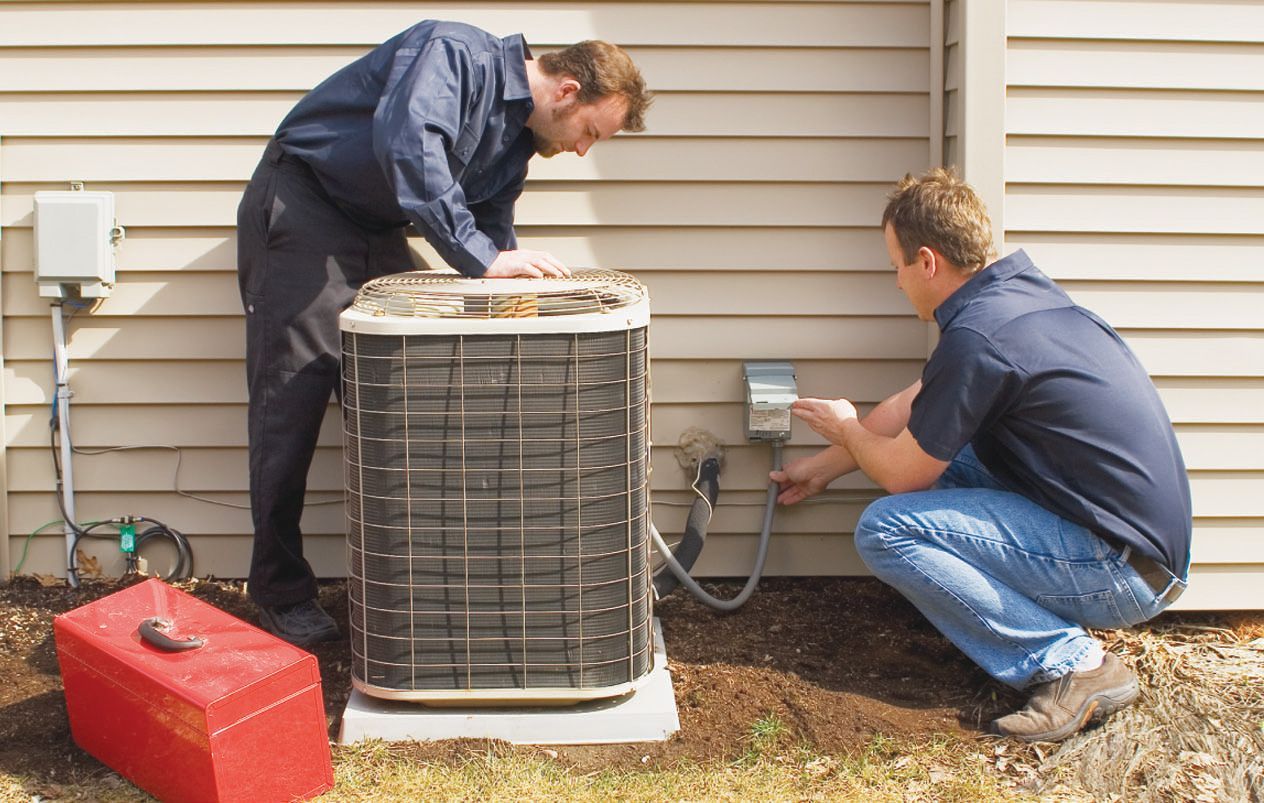
Accurate installation also requires examining existing ductwork to verify proper airflow volume and static pressure balance. Variable-speed blowers need balanced air distribution to deliver consistent comfort to every room without straining the fan motor. Certified AC repair contractors perform detailed heat load calculations, check duct sizing, and verify that the home's electrical service panel supports modern microprocessor-controlled equipment.
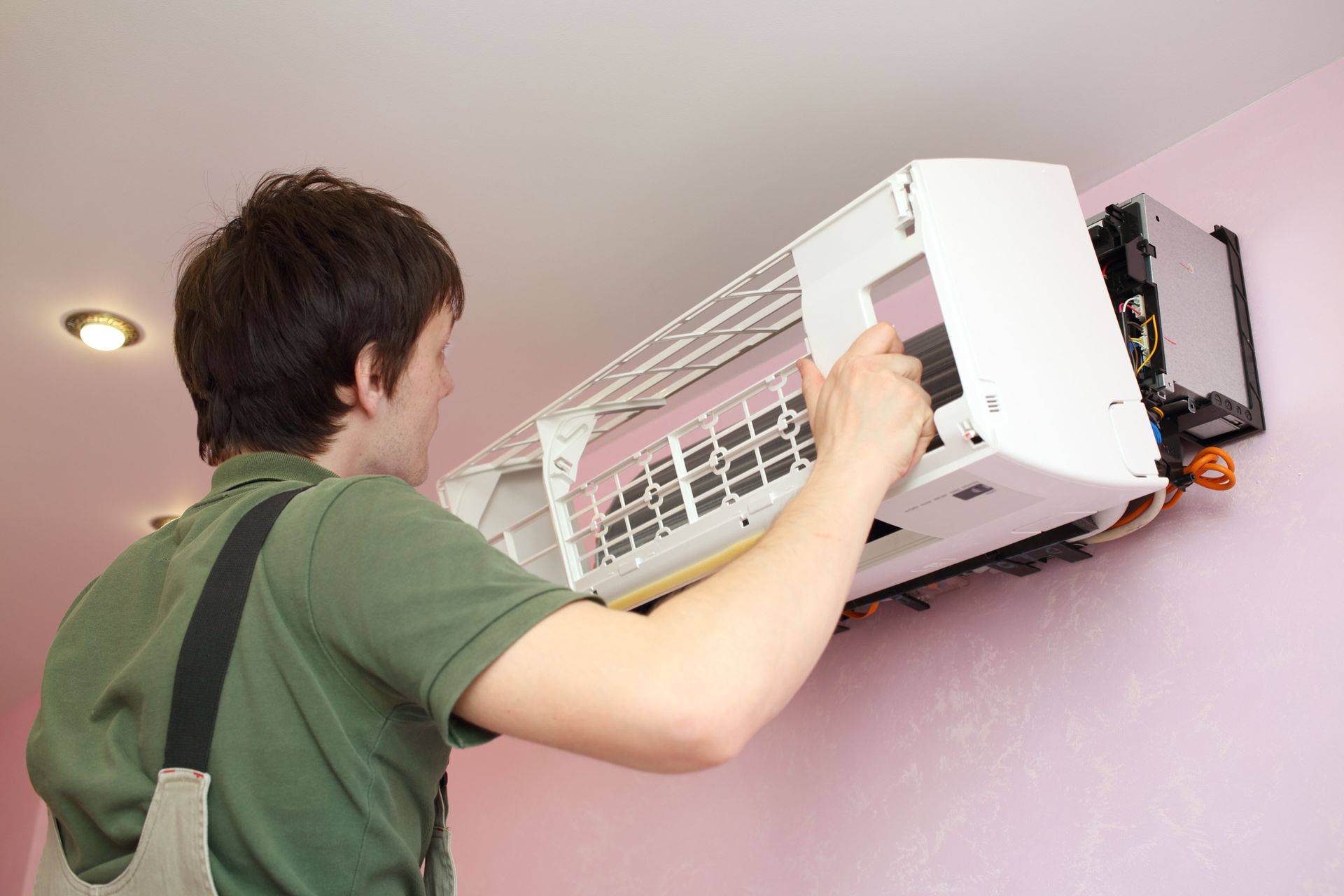
Ongoing maintenance is critical for protecting the complex circuitry within inverter systems. Service technicians inspect electrical connections, measure inverter drive frequencies, clean outdoor coil fins, and test electronic expansion valves during routine inspections. Establishing an annual maintenance schedule with qualified AC repair contractors preserves manufacturer warranty protections and maintains optimal seasonal performance.
Making an Informed Heating and Cooling Decision
Inverter air conditioners deliver substantial long-term value for homeowners seeking lower utility bills, consistent indoor temperatures, quieter operation, and extended equipment lifespans. While the initial purchase price is higher than that of traditional single-stage units, the cumulative savings in electricity and reduced repair frequency provide an attractive return on investment. For dependable evaluation, installation, and routine maintenance of high-efficiency cooling systems, connect with Midtown Heating and Air.