June 16, 2026
Mini-split HVAC systems are widely valued for their efficiency, flexibility, and ability to deliver targeted comfort without ductwork. Even so, they are not immune to wear, environmental stress, or operational faults over time. When performance begins to shift, identifying the right moment for intervention becomes essential to avoid more costly system damage later.
According to Industry Research, air conditioning is extremely common throughout the United States, with nearly 87% of households depending on home cooling systems and about 12 million commercial buildings using comprehensive HVAC systems that require consistent maintenance and repair. This level of usage underscores how frequently cooling systems are pushed to their operational limits, especially during peak seasonal demand.
In ductless systems, small changes in performance can signal developing issues that require attention. Knowing when to seek local AC repairs for a mini-split system helps maintain comfort, protect system components, and support long-term efficiency without unnecessary disruption.
Recognizing When Your Mini-Split System Needs Attention
Early Performance Changes You Should Not Ignore
Mini-split systems often provide subtle warning signs before a noticeable breakdown occurs. One of the earliest indicators is inconsistent cooling output, where a room may take longer to reach the desired temperature or fail to maintain steady comfort. These shifts often indicate underlying mechanical or airflow issues that benefit from timely evaluation.
Another early signal is reduced responsiveness from the system during normal operation. If the unit cycles longer than usual or struggles to meet thermostat settings, it may be compensating for internal inefficiencies. In many cases, homeowners begin searching for nearby AC repairs at this stage to prevent more serious failures from developing.
It is also common for energy usage patterns to change before visible system issues appear. A gradual rise in utility costs without a corresponding increase in usage often suggests the system is working harder than necessary. Addressing these early changes helps stabilize performance and reduce strain on critical components.
Temperature and Airflow Irregularities in Mini-Split Units
Uneven temperatures between rooms or zones are a frequent concern with mini-split systems that require attention. When airflow becomes inconsistent, it often indicates obstructions, coil issues, or refrigerant-related inefficiencies. These conditions reduce the system's ability to distribute conditioned air evenly across living spaces.
Weak airflow from indoor units is another common symptom that should not be overlooked. While filters can contribute to this issue, persistent airflow reduction typically points to deeper mechanical or internal system problems. In such cases, scheduling local AC repairs can help restore proper circulation and system balance.
Temperature swings, where a room feels too warm one moment and too cold the next, also suggest a disruption in system regulation. This instability can be linked to sensor malfunction or component wear that requires professional diagnosis. Left unresolved, these fluctuations can place additional strain on the entire system.
Noise, Odor, and Operational Warning Signals
Unusual noises are among the most recognizable signs that a mini-split system may need service. Clicking, grinding, or rattling sounds often indicate loose components or motor-related issues. These noises rarely resolve on their own and usually worsen without intervention.
Odors are another key indicator that should not be ignored. A musty smell may suggest moisture buildup or microbial growth within the system, while a burning odor can point to electrical concerns. Homeowners often pursue HVAC repair when these symptoms emerge to ensure safe and reliable operation.
Operational irregularities, such as unexpected shutdowns or delayed startup cycles, also warrant attention. These behaviors can signal communication issues between system components or internal control failures. Prompt evaluation helps prevent further disruption and reduces the risk of system-wide malfunction.
Identifying Typical Causes of Mini-Split Performance Issues
Electrical and Component Wear in Ductless Systems
Mini-split systems rely on a combination of electrical components and mechanical parts that naturally degrade over time. Capacitors, fan motors, and control boards are especially susceptible to wear due to repeated cycling during operation. When these parts begin to fail, system performance becomes less predictable.
Electrical inconsistencies may present as intermittent operation or failure to power on reliably. These issues often require diagnostic testing to identify the exact source of the problem. In many cases, homeowners turn to local AC repairs to address these electrical faults before they escalate into full system breakdowns.
Component wear can also affect how efficiently the system responds to temperature adjustments. When internal parts lose precision, the system is more likely to underperform. This leads to uneven comfort and increased operational strain over time.
Refrigerant Imbalances and Cooling Inefficiency
Refrigerant levels play a critical role in the cooling process of mini-split systems. When levels are too low or there is a leak, the system loses its ability to absorb and transfer heat effectively. This often results in longer run times and weaker cooling output.
Refrigerant issues are not always immediately visible but can significantly impact performance. Ice formation on coils or reduced cooling capacity are common indicators that something is wrong. Addressing these concerns through local AC repairs helps restore proper system pressure and efficiency.
Improper refrigerant balance also increases strain on the compressor, which is one of the most important components in the system. Continued operation under these conditions can lead to more extensive and costly repairs if not corrected promptly.
Understanding How Timely Repairs Improve System Lifespan
Energy Efficiency and Cost Control Benefits
When a mini-split system operates with unresolved issues, it often consumes more energy than necessary to maintain desired temperatures. This inefficiency can gradually increase monthly utility costs while delivering reduced comfort. Timely intervention helps restore balanced performance and more predictable energy use.
Even minor repairs can significantly improve system efficiency. Recalibrating sensors, clearing airflow obstructions, or correcting refrigerant levels can reduce operational strain. Homeowners often notice improved performance shortly after scheduling local AC repairs, especially during peak cooling periods.
Efficient operation also contributes to more stable indoor temperatures. When the system is functioning correctly, it cycles less frequently and maintains consistent output, which reduces unnecessary wear over time.
System Longevity and Preventing Major Failures
Mini-split systems are designed for long-term use, but only when properly maintained and serviced. Small issues that are left unresolved can gradually place stress on key components, leading to premature system failure. Addressing problems early is one of the most effective ways to extend equipment lifespan.
Mechanical strain often begins subtly, with components compensating for inefficiencies elsewhere in the system. Over time, this can lead to cascading failures that affect multiple parts simultaneously. Many homeowners rely on local AC repairs to interrupt this progression and preserve system integrity.
Preventing major failures not only protects equipment but also reduces the likelihood of emergency service disruptions during peak weather conditions. Consistent attention helps ensure dependable operation when cooling demand is highest.
What to Expect During Professional Service Visits
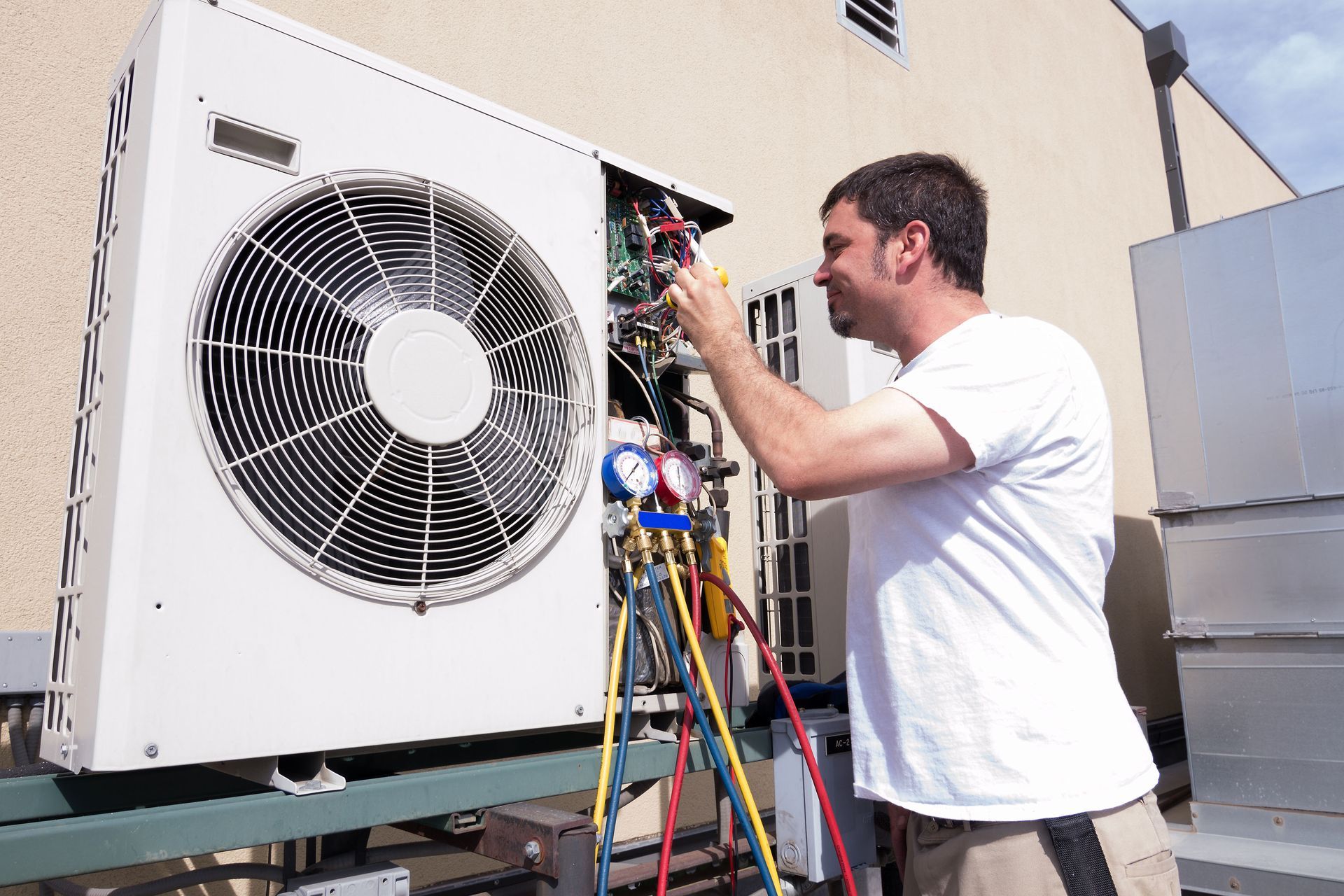
A professional service visit for a mini-split system typically begins with a full diagnostic evaluation. Technicians assess airflow performance, electrical function, refrigerant levels, and overall system responsiveness. This process helps identify both immediate issues and developing concerns.
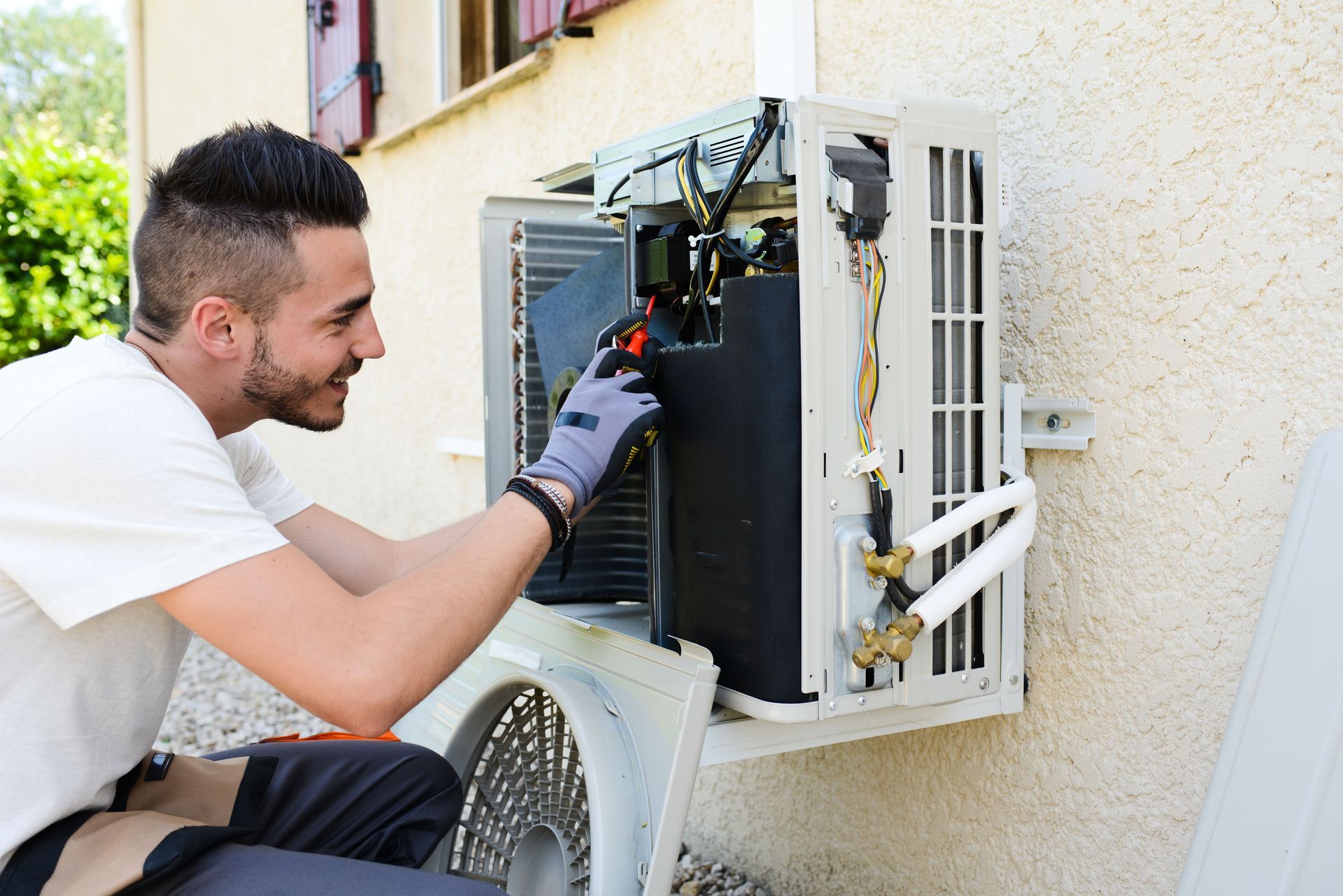
Once the problem is identified, targeted repairs are performed to restore proper operation. This may include component replacement, refrigerant adjustment, or electrical correction, depending on the system's needs. Homeowners scheduling local AC repairs often benefit from this structured approach, which focuses on long-term system stability.
After repairs are completed, technicians typically test the system under operating conditions to ensure proper function. This final step confirms that airflow, temperature control, and cycling behavior are all functioning as intended.
Mini-split HVAC systems offer efficient and adaptable comfort, but they require timely attention when performance begins to shift. Recognizing early warning signs, understanding common causes of malfunction, and responding quickly to system changes all contribute to better long-term reliability.
When issues arise, seeking local AC repairs at the right time helps maintain efficiency, reduce operating costs, and prevent more extensive system damage. With consistent care and professional support, mini-split systems can continue delivering stable, comfortable indoor environments through changing seasonal demands. For expert assistance with your mini-split AC system, reach out to Midtown Heating and Air!